How to choose a flooring contractor in Orlando
In short
- Get at least two written estimates, and compare them line by line, not only by the total.
- Ask every contractor to check the slab or subfloor before they price, and to show proof of insurance.
- Agree in writing on who does the work, the timeline, how changes are priced and what happens to leftover material.
What should you ask a flooring contractor?
Ask questions that reveal how the contractor works, not only what they charge. Use this checklist with every company you talk to, and write down the answers.
- Will you inspect the slab or subfloor before giving me a price?
- Will the estimate be written and itemised, with preparation on its own line?
- Can you show a current certificate of insurance and any local registration?
- Who will install the floor: your own crew or a subcontractor?
- When can you start, and how many days will the job take?
- Will you confirm the material is in stock before I pay a deposit?
- How are changes priced if you find a problem after the old floor comes up?
- Who moves furniture, removes the old floor and hauls it away?
- What happens to leftover boxes and tiles at the end?
- What workmanship terms do you give, and will they be in writing?
What should a written estimate list?
A good estimate lists each part of the job on its own line, so you can see what you are paying for. A single total with no detail makes it hard to compare offers or spot what is missing.
| What a written estimate should list | Why it matters |
|---|---|
| Material, with product name, colour and quantity | Confirms you get what you chose, plus a sensible waste allowance |
| Floor preparation | Levelling, grinding or patching is often the biggest hidden cost |
| Removal and disposal of the old floor | Tile and glued flooring take real time to remove |
| Labor for installation | Shows the work separately from the goods |
| Trims, transitions, baseboards and stairs | These are easy to leave off and add later |
| Delivery | Avoids a surprise charge on the day |
| Start date, duration and payment schedule | Sets expectations for both sides |
Why should the slab be checked before pricing?
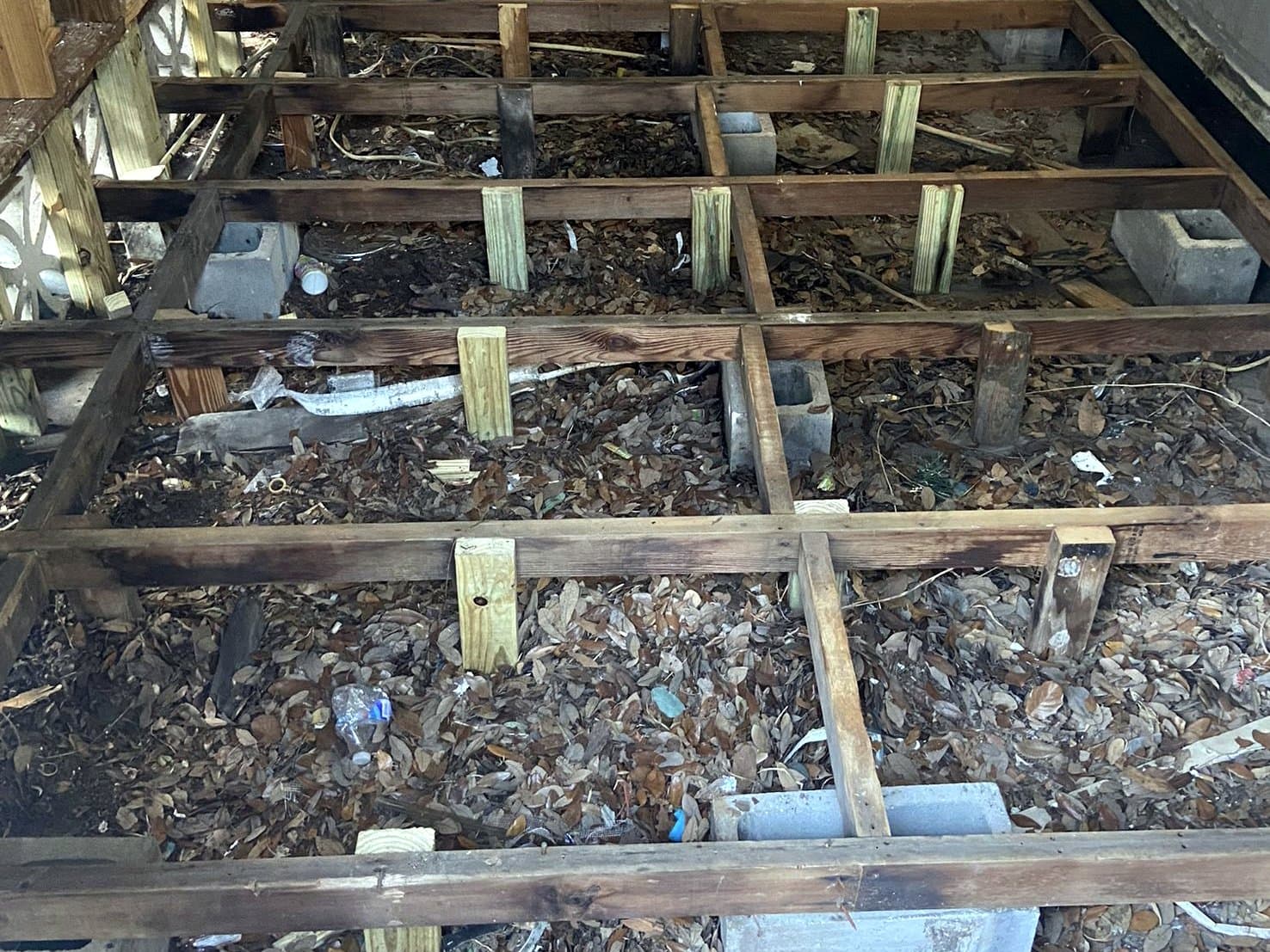
Because the condition of the slab or subfloor decides how much preparation the job needs, and preparation can change the price a lot. A contractor who prices from a photo or square footage alone is guessing.
In Central Florida most floors go over a concrete slab. A proper check looks for dips and humps with a straightedge, cracks, old adhesive and moisture. Wood and some vinyl floors need a moisture reading before installation.
Ask what the contractor found and how they plan to fix it. That answer tells you a lot about how careful the rest of the job will be.
How do you check insurance and registration?
Ask for a current certificate of insurance and any local business registration, then check them yourself. A certificate lists the insurer and policy dates, so you can call the insurer to confirm it is active.
Insurance protects you if a worker is hurt or your home is damaged during the job. Registration and permit rules vary by city and county, so ask your local building department if you are unsure what applies to your project.
Who will actually do the work?
Ask by name or by crew, and ask whether the installers are employees or subcontractors. Either can do good work, but you should know who is responsible for the result.
Ask who is your contact during the job, and whether someone checks the finished floor with you before the crew leaves. Clear answers here prevent most disputes.
What timeline should you expect?
Expect a written start date and an estimate of working days for your rooms. A small vinyl plank room may take a day, while a whole-house tile job with slab work can take a week or more.
Ask how material delivery fits the schedule, whether flooring must acclimate indoors first, and when you can walk on the floor and move furniture back. Tile needs time for mortar and grout to cure before heavy use.
How should changes be handled?
Any change to the scope or price should be agreed in writing before the work is done. Surprises are common when the old floor comes up and the slab underneath has cracks or low spots.
A fair contractor stops, shows you the problem, explains the fix and gives you the extra cost on paper. You then decide whether to go ahead.
What happens to leftover material?
Agree before the job whether spare boxes stay with you or go back to the contractor. Keeping a box or two of tile or plank from the same batch makes later repairs match.
Ask about the return policy for unopened boxes, and whether any restocking fee applies. Cut pieces and opened boxes usually cannot be returned.
How should you read contractor reviews?
Read the detailed reviews, not only the star rating, and look for patterns over time. Reviews that mention the estimate matching the final bill, crews cleaning up and problems being fixed tell you more than short praise.
Note how the company answers complaints. A calm, specific reply that offers a fix is a good sign. Ask for photos of floors like yours, and ask whether you can speak with a recent customer.
How we work
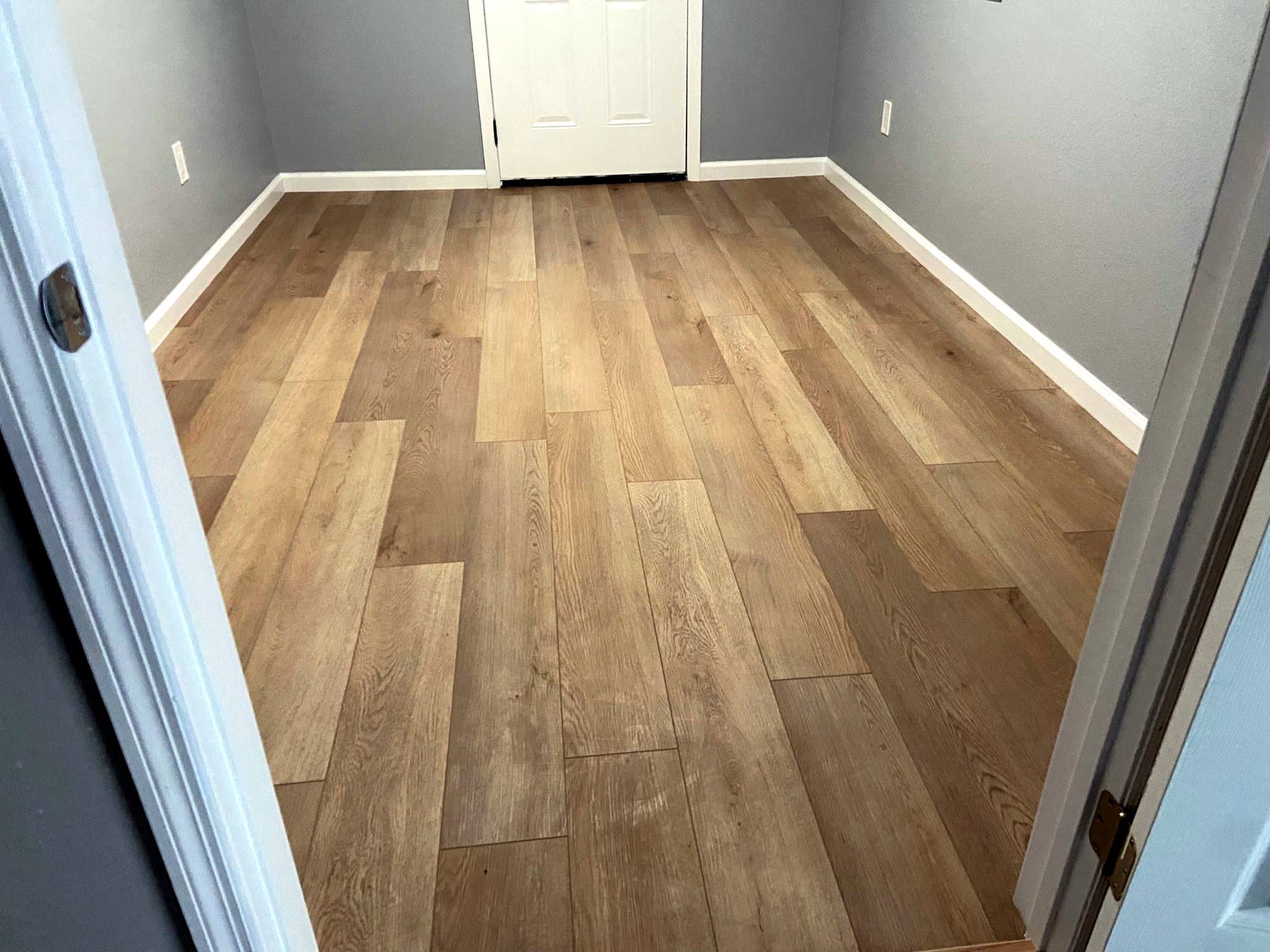
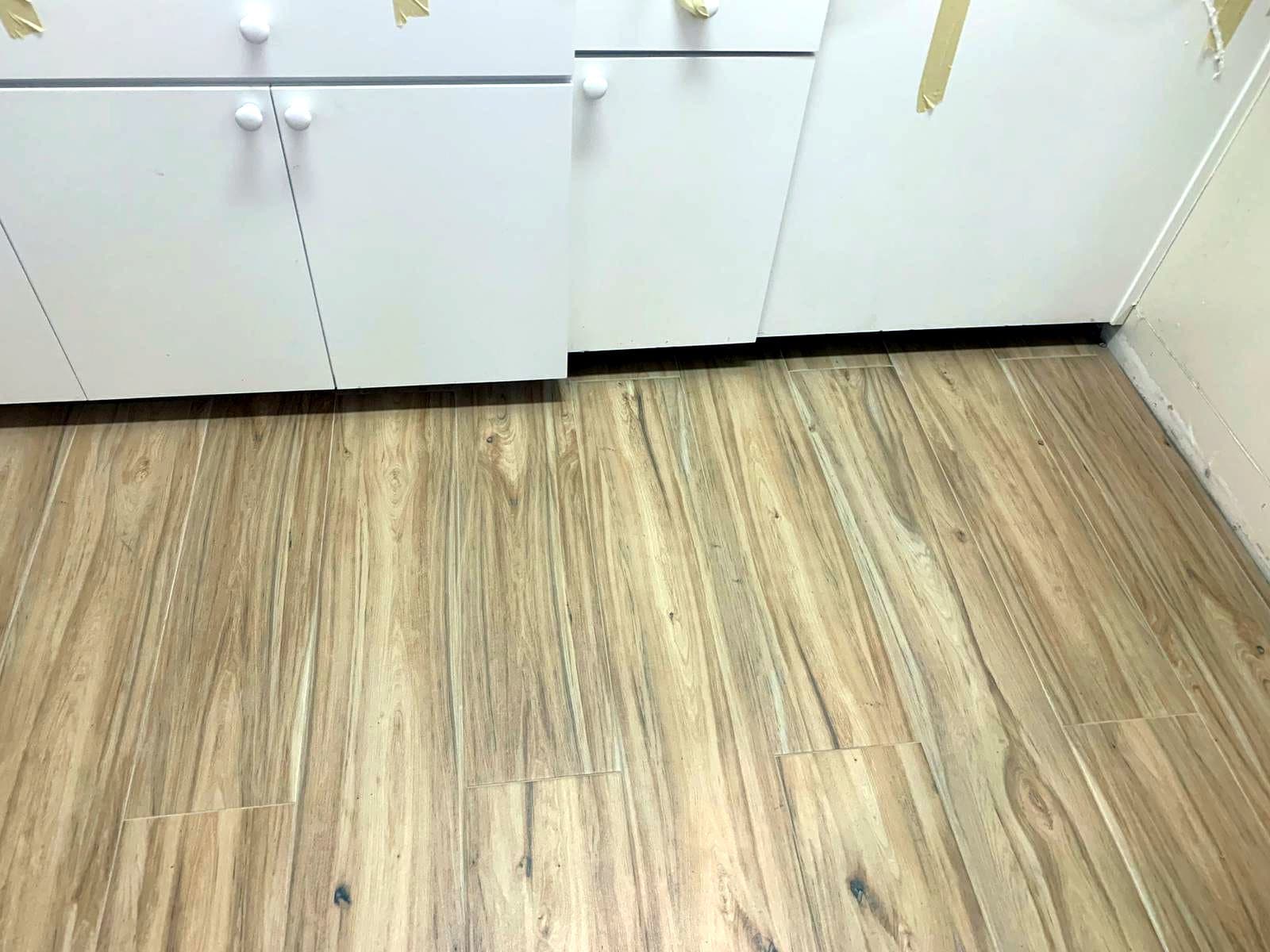
We supply and install SPC vinyl plank, glue-down vinyl, ceramic and porcelain tile, marble, VCT, hardwood, carpet and stairs, along with commercial flooring and floor repair. We check the slab or subfloor before we price the job.
Our estimates are written and itemised, with material, preparation, labor, trims and delivery each on its own line. We confirm stock before you pay a deposit. We are insured and registered in the City of Orlando, and we work across Orange, Seminole, Osceola, Lake, Volusia, Brevard and Polk counties.