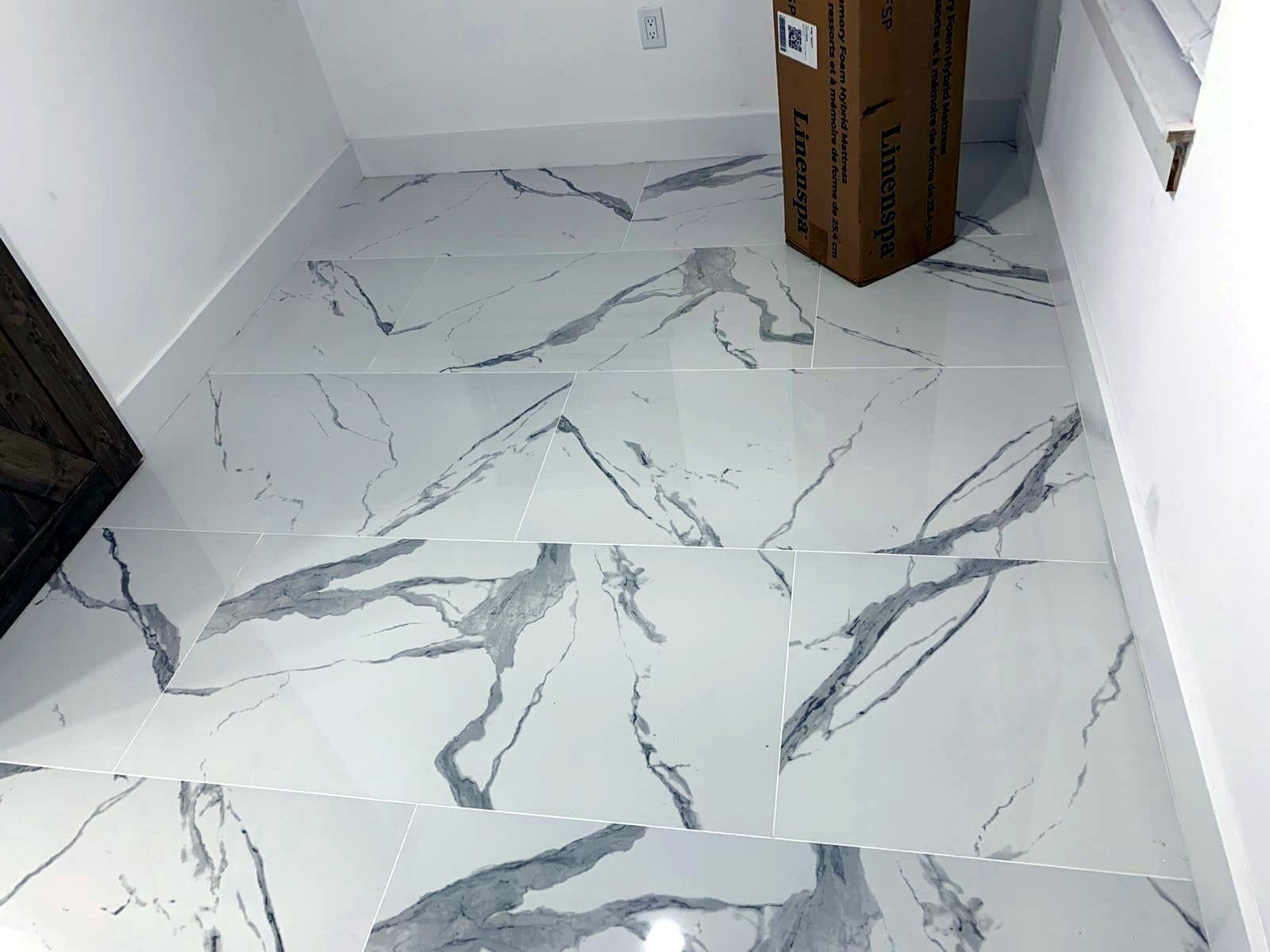
A guide to tile and marble floors
In short
- Porcelain suits heavy traffic and wet rooms; ceramic suits lighter use; marble needs sealing and gentle cleaning.
- Large-format tile needs a very flat slab to avoid uneven edges.
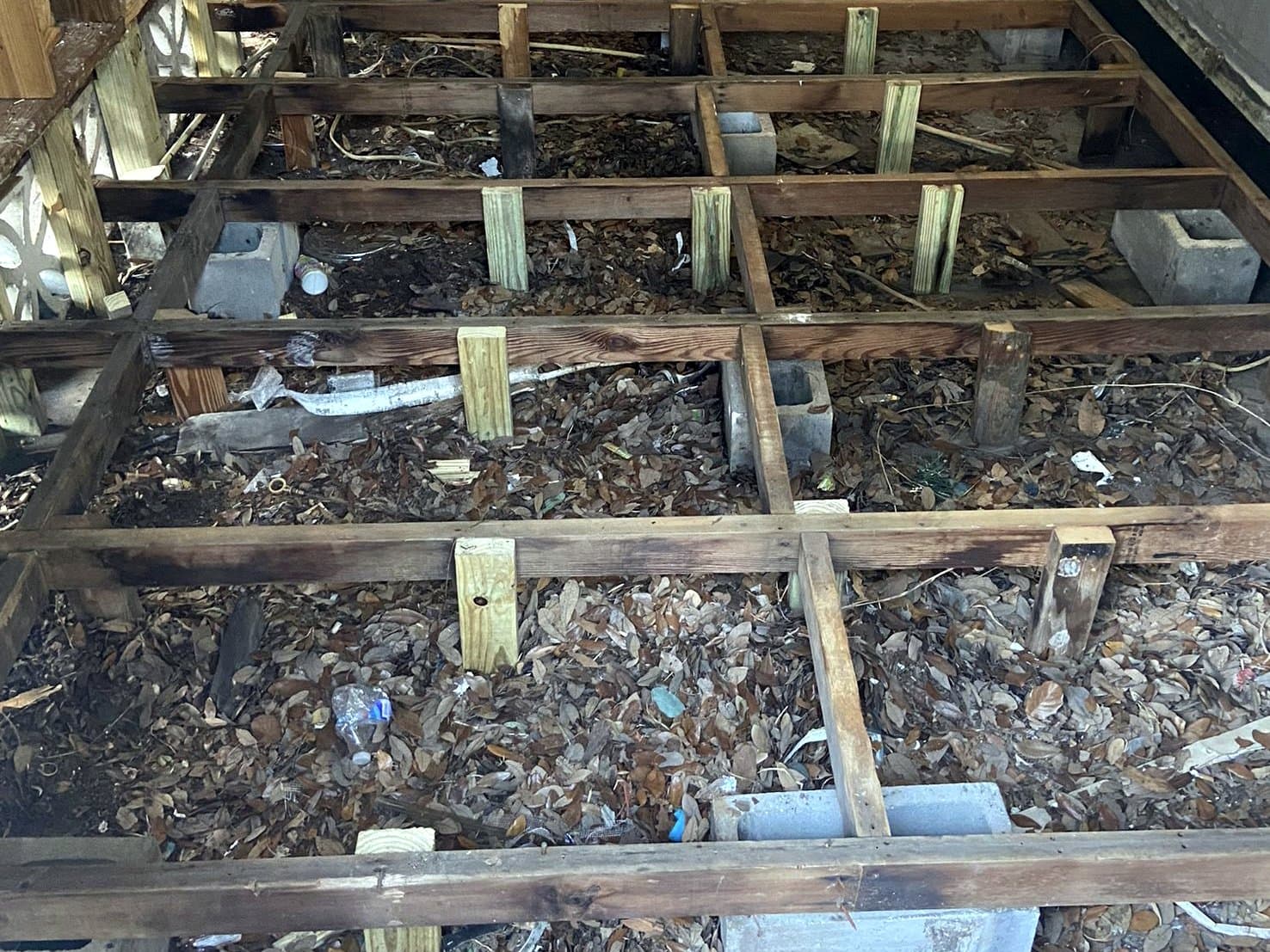
- Most tile problems start below the tile, so preparation matters more than the tile itself.
What is the difference between ceramic, porcelain and marble?
Each material has its strengths.
| Material | Best for | Care |
|---|---|---|
| Ceramic tile | Bathrooms, laundry rooms, lighter traffic | Damp mop; reseal grout as needed |
| Porcelain tile | Kitchens, living areas, entries, heavy traffic | Damp mop; very low absorption |
| Marble | Entries, bathrooms, statement rooms | pH-neutral cleaner; reseal periodically |
Large-format tile
Large tiles show fewer grout lines and suit open-plan rooms, but they need a flatter base. Even small dips can leave edges sitting higher than their neighbours, which is called lippage.
We check the slab with a straightedge and include any grinding or levelling in the estimate.
Why does preparation matter for tile?
Most tile problems start below the tile.
- The slab is checked for flatness, cracks and moisture.
- Existing flooring and adhesive are removed where needed.
- Crack-isolation membrane is used where the slab calls for it.
- Tiles are set with the right mortar and full coverage for their size.
Grout and sealing
Grout joints let each tile move slightly without cracking. Cement grout should be sealed; some modern grouts need no sealing. Marble itself also needs a penetrating sealer.
Choosing a grout colour close to the tile gives a calmer, more continuous look.
How do you care for tile and marble floors?
- Sweep often; grit is what dulls glazes and polished stone.
- Use pH-neutral cleaners on marble; avoid vinegar and bleach.
- Wipe spills from marble quickly, especially wine, coffee and citrus.
- Reseal grout and marble as the product recommends.
Tile and marble in Florida homes
Tile has long been the traditional floor in Florida homes because it stays cool underfoot, shrugs off sand and water, and suits the concrete slabs most homes are built on.
Large-format porcelain and marble-look tiles have made tile popular again in open living areas, where fewer grout lines give a clean, bright look.
Tile layouts and patterns
The layout changes how a room looks as much as the tile does.
| Layout | Look | Notes |
|---|---|---|
| Straight lay | Clean and calm | Least waste; suits large tiles |
| Offset (brick) | Relaxed, plank-like | Keep offsets short on long tiles to limit lippage |
| Diagonal | Makes rooms feel wider | More cutting and waste |
| Herringbone | Decorative, classic | Most labour; best with plank tiles |
What mistakes should you avoid with tile?
- Setting large tiles on a slab that is not flat enough, causing lippage.
- Too little mortar coverage, which leaves hollow spots and cracked tiles.
- Tiling over cracks without a crack-isolation membrane.
- Grout joints that are too tight for the tile's size and edge.
- Leaving natural marble unsealed.
What affects the cost of tile installation?
Tile prices vary more than most floors, because the work behind the tile matters so much.
- Tile size and type: large-format and natural stone take more time to set.
- Slab preparation, levelling and any crack isolation needed.
- Removing existing tile or glued flooring.
- Layout: diagonal and herringbone patterns take longer and waste more tile.
- Stairs, thresholds and trims.
How long does tile installation take?
Tile goes down in stages: preparation, setting, then grouting once the mortar has cured. Most floors can take light foot traffic within about a day and full use a little later. We give you the timing for your job in the estimate.
What should you ask a tile installer?
- Will you check the slab or subfloor before you price the job?
- Is floor preparation listed separately on the estimate?
- Are removal, trims, transitions and baseboards included?
- Will you confirm the material is in stock before I pay a deposit?
- Which manufacturer installation requirements apply, and will you follow them?
- Will you check the slab flatness for large-format tile?
How can you tell porcelain from ceramic?
Porcelain is made from finer clay fired at higher temperatures, so it is denser and absorbs very little water. Through-body porcelain has colour all the way through, which hides chips.
Ceramic is lighter, easier to cut and usually less expensive. It is a good choice for walls, backsplashes and bathrooms with lighter foot traffic.
Living with marble
Marble is a natural stone, so every tile is slightly different, and that is part of its appeal. It is softer than porcelain and reacts with acids.
Wine, coffee, citrus and many household cleaners can etch polished marble, leaving dull spots. A penetrating sealer, pH-neutral cleaners and quick cleanup of spills keep it looking its best. If you want the marble look without the upkeep, marble-look porcelain is an alternative.
Tile in bathrooms and showers
Floors in bathrooms and showers need a slip-resistant surface and, in showers, a proper waterproofing system behind the tile. Smaller tiles and mosaics give more grout lines, which improves grip on shower floors.
How do you choose a tile size?
Larger tiles make a room look bigger and cleaner because there are fewer grout lines, but they need a flatter slab and more careful setting. Smaller tiles follow uneven floors better and give more grip in wet areas.
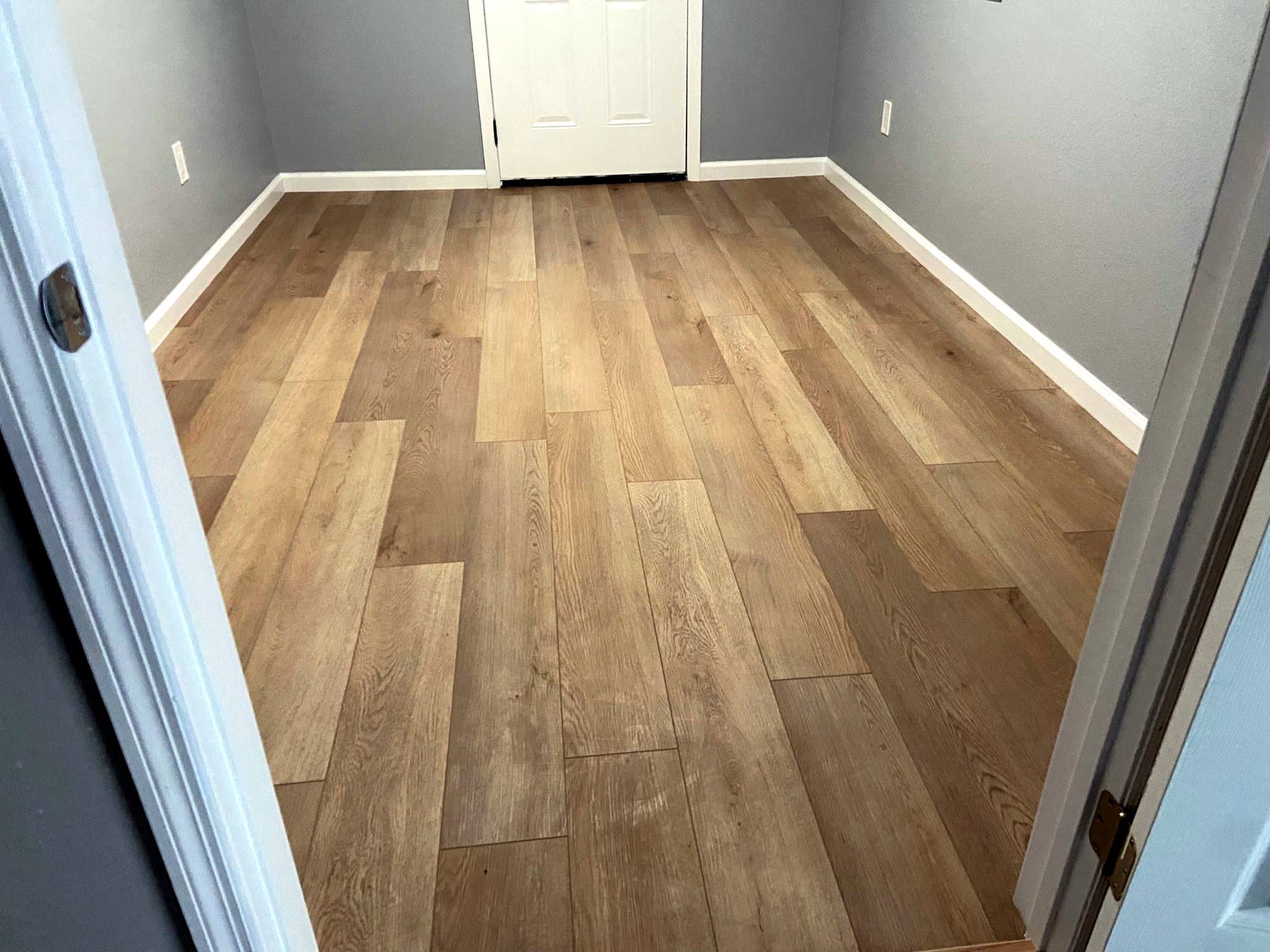
Plank-shaped porcelain tiles give the look of wood with the durability of tile, and are often laid in an offset or herringbone pattern.
How do you choose a tile colour?
Colour changes how big, bright and warm a room feels. Light and grey tones make small rooms feel larger and suit bright, coastal interiors. Natural mid-tones hide dust and everyday wear best. Warm and dark tones feel rich but show dust, pet hair and scratches more.
Look at samples in your own home, on the floor, in both daylight and evening light. Colours look different on every screen and under different bulbs, so never choose from a photo alone.
Transitions between floors
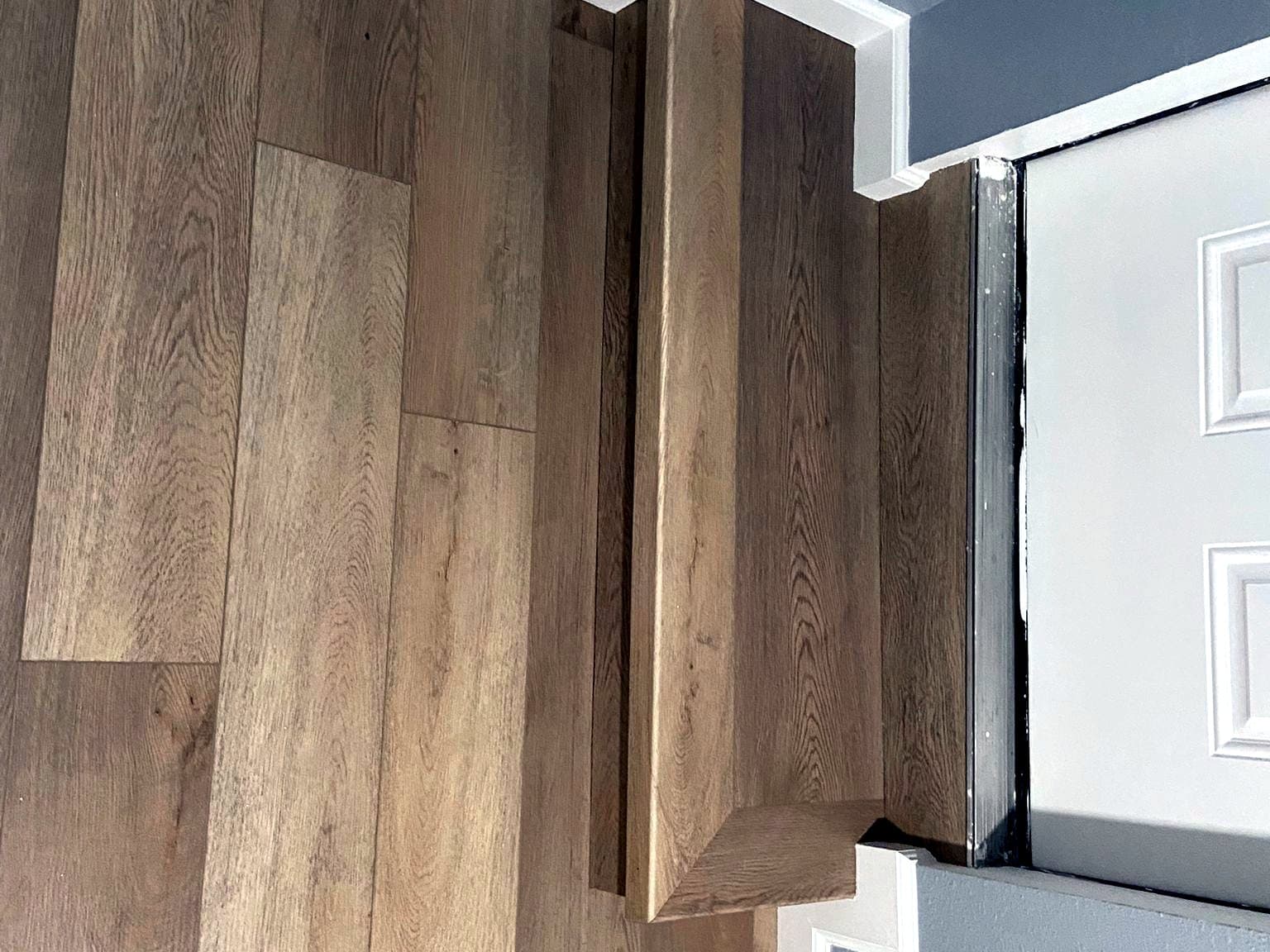
Where one floor meets another, a transition strip covers the joint and allows each floor to move. The right profile depends on the two floors: a T-molding joins floors of the same height, a reducer steps down to a lower floor, and an end cap finishes against sliding doors or fireplaces.
Planning transitions before installation keeps doorways tidy and avoids trip edges between rooms.