What is the best flooring for restaurants?
In short
- Kitchens and prep areas need a hard, grippy, chemical-tolerant floor, most often porcelain or quarry-style tile.
- Dining rooms can use LVT, porcelain tile or carpet tile, chosen for sound, looks and how you clean.
- Check the wet slip rating, drain layout and cleaning chemicals before you choose any product.
Which floor suits each restaurant zone?
Each zone gets a different kind of abuse, so most restaurants use two or three floors. The table sets out where each one earns its place.
| Area | Best floor | Why | Watch for |
|---|---|---|---|
| Kitchen and prep | Porcelain or quarry-style tile | Takes grease, hot water and heavy carts | Grout type, wet slip rating, slope to drains |
| Dish and mop area | Porcelain tile with a tile cove base | Standing water every shift | Sealed joints where floor meets wall |
| Dining room | LVT, porcelain tile or carpet tile | Choice of look, sound and comfort | Chair scuffs and noise from hard floors |
| Entrance | Porcelain tile plus walk-off mats | Handles sand and rain from outside | Wet shoes on a smooth surface |
| Restrooms | Porcelain tile or commercial sheet vinyl | Frequent wet mopping and disinfectant | Grout lines and gaps at the base |
| Bar | Porcelain tile with rubber mats behind | Spills, ice and glass breakage | Staff standing for long shifts |
| Storage and back hall | VCT or porcelain tile | Pallet jacks and dollies | Wax upkeep on VCT |
What floor works in a commercial kitchen?
Porcelain or quarry-style tile works best in most commercial kitchens. It shrugs off heat, grease and daily scrubbing, and it bonds firmly to a concrete slab.
Quarry tile is a dense, unglazed clay tile with a slightly rough face. Textured porcelain gives a similar grip with more colour and size options.
The grout matters as much as the tile. Standard cement grout soaks up grease, so kitchens often use a chemical-resistant grout in narrow joints.
Some kitchens use poured resin or epoxy floors instead; we do not install those systems, so they are outside this guide.
How do you judge slip resistance?
Look at the DCOF rating on the manufacturer's data sheet. DCOF stands for dynamic coefficient of friction, a measure of grip while a foot is already moving.
A higher number means more grip. The tile industry standard sets 0.42 as the minimum wet DCOF for level indoor floors that get wet, and kitchens often need more.
Ask the maker which of its products it rates for commercial kitchens, not just wet areas in general. A matte or textured face grips better than polished tile but can hold dirt longer.
Rules for your own site may add further requirements. Check your local code, your insurer and your health inspector before you order.
How do grease and cleaning chemicals affect the floor?
Grease makes any floor slippery and slowly breaks down soft materials. Strong degreasers and sanitisers can etch grout, dull vinyl and lift wax.
Before you pick a floor, list the products your cleaning crew uses. Then compare that list with the chemical resistance chart from the flooring maker.
Tile and good grout cope best with hot water and harsh cleaners. Vinyl floors, including LVT and VCT, are better kept out of the cook line.
Why do drains and slope matter?
Kitchen floors need to shed water toward floor drains, so the surface cannot be dead flat. Small tiles follow that slope far better than large tiles or planks.
The slope is usually built into the slab or a mortar bed before tile goes down. Getting it right is part of slab preparation and is hard to fix later.
A tile cove base, a curved tile that turns up the wall, closes the gap where floor meets wall. That stops water and food from collecting in the corner.
What is the best floor for a dining room?
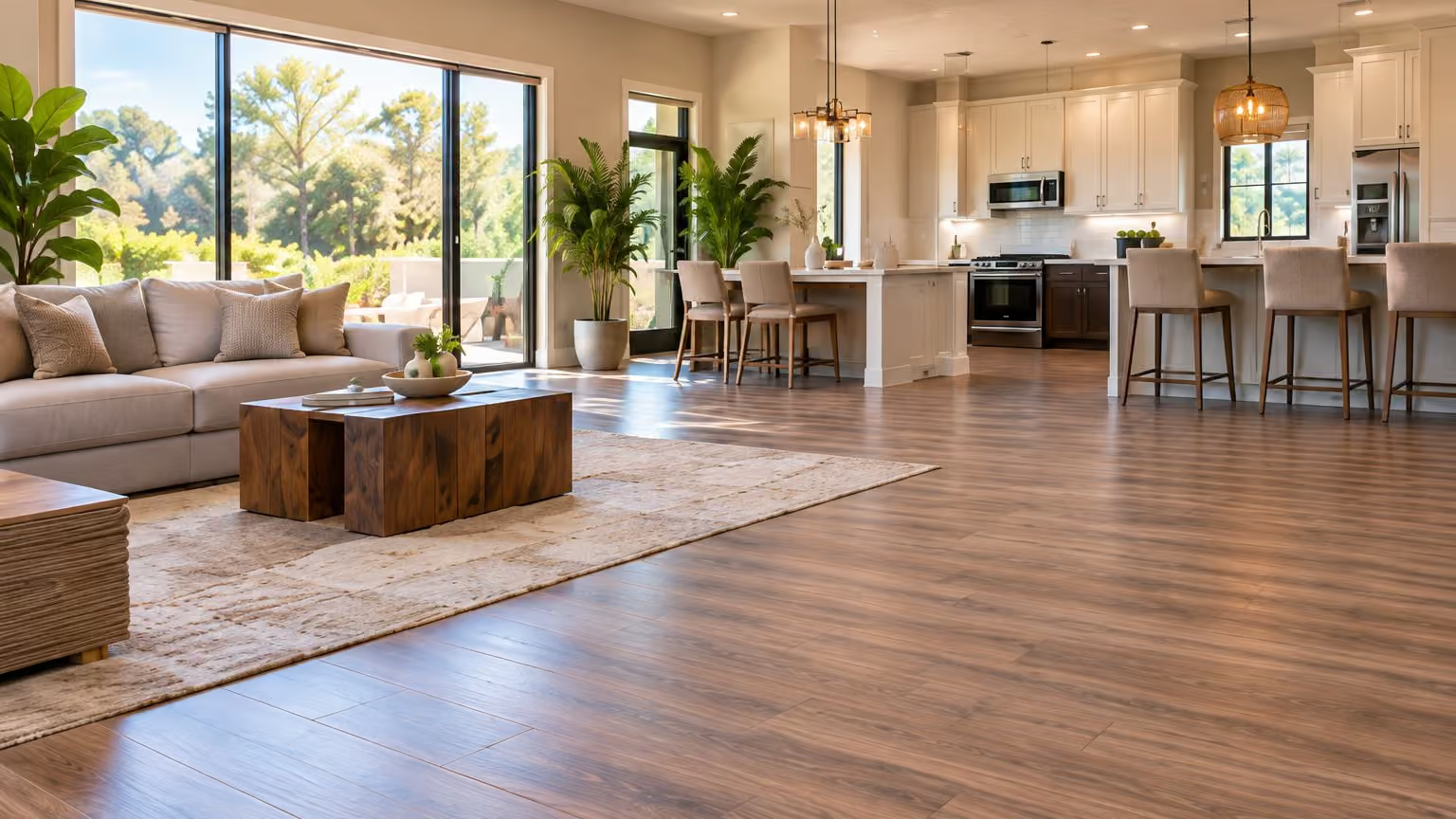
LVT is a common answer because it looks like wood or stone and cleans with a damp mop. LVT stands for luxury vinyl tile, a layered vinyl product in planks or tiles.
Porcelain tile lasts longest and suits a busy, casual room. It is also the loudest option, since hard surfaces bounce sound around the room.
Carpet tile cuts noise the most and suits quieter, sit-down rooms. Choose a dense, low loop product and keep it away from service stations where drinks spill.
Felt or nylon pads on chair legs reduce scuffing on any hard floor. They also cut the scraping sound when guests stand up.
What about entrances, restrooms and the bar?
Entrances in Central Florida take sand, rain and wet shoes during summer storms. Textured porcelain tile with a recessed or heavy walk-off mat keeps grit off the dining floor.
Restrooms need a floor that handles daily wet mopping. Porcelain tile or commercial sheet vinyl both work, as long as the base where floor meets wall is sealed.
Behind the bar, ice and broken glass are daily events. Porcelain tile with rubber mats protects staff feet and the floor.
Will heavy carts and equipment damage the floor?
They can, if the floor or the slab under it is weak. Tile on a sound slab takes loaded carts well, but hollow spots under tile crack first.
VCT, or vinyl composition tile, is a hard vinyl and stone tile that suits back halls and dry storage. It resists rolling loads but needs regular stripping and waxing.
Walk-in coolers and heavy cooking lines often have their own floor requirements. Ask the equipment supplier what the floor under it must carry.
How do you plan a restaurant floor job?
Start with the slab. We check it before pricing, because cracks, low spots and moisture change both the product and the prep.
Next, plan around service. Work can be scheduled around business hours where the job allows, often one zone at a time so part of the room stays open.
Tile and grout need time to cure before carts and mopping, so build that into the plan. You get a written, itemised estimate that lists prep, materials and labour separately.
We work direct for owners and as a subcontractor for general contractors on new builds and remodels across Central Florida.